

Benefits of the National Single Window for Logistics Companies: How Digital Trade Platforms Are Transforming Supply Chains
Title: Benefits of the National Single Window for Logistics Companies | Complete Guide
Description: Discover the key benefits of the National Single Window for logistics companies, including faster customs clearance, lower costs, improved compliance, enhanced supply chain visibility, and increased trade efficiency.
Benefits of the National Single Window for Logistics Companies
Introduction
The logistics industry serves as the backbone of international trade, ensuring that goods move efficiently from manufacturers to consumers across borders. However, one of the biggest challenges logistics companies have historically faced is navigating complex customs procedures, multiple government agencies, excessive paperwork, and lengthy cargo clearance processes. These inefficiencies often lead to delays, increased operational costs, compliance risks, and dissatisfied customers.
As global trade continues to evolve, governments worldwide are embracing digital transformation to simplify trade procedures and improve the ease of doing business. One of the most impactful innovations in this regard is the National Single Window (NSW) system—a centralized digital platform that enables traders, logistics companies, freight forwarders, customs brokers, importers, exporters, and government agencies to exchange trade-related information through a single electronic portal.
Instead of submitting the same documents to multiple agencies individually, businesses can submit all required information once through a unified platform. Relevant government authorities then access, verify, and process the information electronically, significantly reducing administrative burdens and improving the speed of trade transactions.
For logistics companies, the National Single Window represents much more than a digital documentation system. It is a strategic tool that enhances operational efficiency, reduces costs, improves compliance, minimizes cargo delays, and strengthens supply chain visibility. As countries increasingly adopt Single Window systems in line with international trade facilitation standards, logistics providers that understand and leverage these platforms will be better positioned to compete in an increasingly digital marketplace.
This comprehensive guide explores the major benefits of the National Single Window for logistics companies, explains how it works, and highlights why it is becoming an essential component of modern logistics and international trade.
Visit https://www.donakosytechnologies.com for more details and trusted support.
Table of Contents
- What Is the National Single Window?
- How the National Single Window Works
- Why Logistics Companies Need the National Single Window
- Benefits of the National Single Window for Logistics Companies
- Faster Customs Clearance
- Reduced Documentation and Paperwork
- Lower Operational Costs
- Improved Supply Chain Visibility
- Better Regulatory Compliance
- Increased Transparency and Accountability
- Enhanced Collaboration Between Stakeholders
- Improved Customer Satisfaction
- Greater Trade Competitiveness
- Challenges of National Single Window Implementation
- Best Practices for Logistics Companies
- Frequently Asked Questions
- Conclusion
What Is the National Single Window?
A National Single Window (NSW) is an integrated electronic platform that allows businesses involved in international trade and transportation to submit standardized information and documents through one centralized system to fulfill all import, export, and transit regulatory requirements.
Traditionally, logistics companies often needed to interact separately with customs authorities, port authorities, quarantine agencies, immigration services, standards organizations, ministries of trade, and other government departments. Each agency typically required separate forms, different submission processes, and varying timelines, resulting in duplication of effort and unnecessary delays.
The National Single Window eliminates this fragmented process by providing one digital gateway through which all relevant information can be submitted once and shared securely with authorized government agencies.
Typical transactions processed through a National Single Window include:
Visit https://www.donakosytechnologies.com for more details and trusted support.
- Customs declarations
- Import permits
- Export permits
- Cargo manifests
- Certificates of origin
- Sanitary and phytosanitary certificates
- Duty payments
- Tax processing
- Cargo release approvals
- Port clearance documentation
- Trade licenses
- Electronic certificates
The primary objective is to simplify cross-border trade while reducing administrative burdens and improving coordination among all stakeholders.

Visit https://www.donakosytechnologies.com for more details and trusted support.
How the National Single Window Works
Understanding how the National Single Window operates helps explain why it offers significant value to logistics companies.
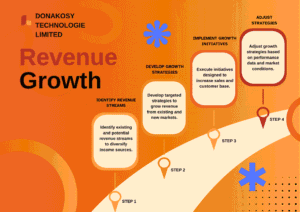
The process generally follows these steps:
Step 1: Electronic Submission
A logistics company, customs broker, importer, or exporter submits all required trade documents electronically through the National Single Window portal.
Instead of preparing multiple versions of similar documents for different agencies, the information is entered once into the system.
Visit https://www.donakosytechnologies.com for more details and trusted support.
Step 2: Automated Data Distribution
The platform automatically distributes the submitted information to the relevant government agencies.
Depending on the shipment, this may include:
- Customs
- Port authorities
- Food safety agencies
- Agriculture departments
- Health authorities
- Standards organizations
- Security agencies
- Environmental regulators
Each agency accesses only the information relevant to its regulatory responsibilities.
Step 3: Digital Processing
Government agencies review, validate, and approve submissions electronically.
Advanced systems often include:
- Automated risk assessments
- AI-assisted inspections
- Electronic verification
- Digital signatures
- Online payment processing
Step 4: Approval and Cargo Release
Once all regulatory requirements have been satisfied, approvals are issued electronically.
The logistics company receives digital confirmation, enabling cargo to proceed through customs without unnecessary physical paperwork or repeated visits to government offices.
Visit https://www.donakosytechnologies.com for more details and trusted support.
Why Logistics Companies Need the National Single Window
Modern logistics companies operate in an environment where speed, visibility, compliance, and customer satisfaction directly impact profitability.
Delays of even a single day at a port can result in:
- Demurrage charges
- Storage fees
- Missed delivery schedules
- Customer complaints
- Production disruptions
- Increased transportation costs
Traditional customs procedures involving multiple agencies often slow down cargo movement.
The National Single Window addresses these inefficiencies by creating a more streamlined, transparent, and technology-driven trade ecosystem.
Visit https://www.donakosytechnologies.com for more details and trusted support.
For logistics providers handling high shipment volumes, the ability to process documentation electronically translates into measurable operational improvements that can significantly enhance competitiveness.
Moreover, global supply chains are becoming increasingly interconnected. Customers now expect real-time shipment updates, faster customs processing, and seamless cross-border delivery experiences. Logistics companies that embrace digital trade platforms such as the National Single Window are better equipped to meet these expectations while improving their own internal efficiency.

Visit https://www.donakosytechnologies.com for more details and trusted support.
Benefits of the National Single Window for Logistics Companies
The adoption of the National Single Window has far-reaching implications for logistics companies of all sizes—from freight forwarding firms and customs brokers to shipping companies, warehouse operators, and multimodal logistics providers.
Below are some of the most significant advantages.
- Faster Customs Clearance
One of the most recognized benefits of the National Single Window is the acceleration of customs clearance procedures.
Customs clearance has traditionally been one of the most time-consuming aspects of international logistics. Multiple document submissions, manual verification processes, agency coordination, and physical paperwork often create bottlenecks that delay cargo movement.
The National Single Window dramatically reduces these delays by digitizing and automating the customs process.
Instead of waiting for documents to move physically between government offices, agencies receive information simultaneously through the centralized platform.
This allows customs officials to begin reviewing declarations immediately after submission while other regulatory bodies conduct their own assessments in parallel.
Visit https://www.donakosytechnologies.com for more details and trusted support.
Advantages of Faster Customs Clearance
- Reduced cargo dwell time
- Shorter port congestion periods
- Faster container release
- Improved truck turnaround time
- Quicker border crossings
- More predictable delivery schedules
For logistics companies managing hundreds or thousands of shipments each month, even small reductions in clearance time can translate into substantial savings and improved operational efficiency.

Visit https://www.donakosytechnologies.com for more details and trusted support.
Example Scenario
Consider a freight forwarding company importing electronics.
Under a traditional system, customs, health authorities, and standards agencies each require separate document submissions.
Processing may take several days because each agency reviews documentation independently.
With a National Single Window, all agencies receive the same information simultaneously, allowing parallel processing.
The result is significantly faster cargo release and quicker delivery to the customer.
- Reduced Documentation and Paperwork
Paper-based trade documentation has long been one of the biggest administrative burdens in logistics.
International shipments often require dozens of documents, including:
- Bills of lading
- Commercial invoices
- Packing lists
- Customs declarations
- Certificates of origin
- Import licenses
- Export permits
- Inspection certificates
- Insurance documents
- Cargo manifests
Under traditional systems, logistics companies frequently prepare multiple copies of these documents for different agencies.
Visit https://www.donakosytechnologies.com for more details and trusted support.
This duplication increases:
- Administrative workload
- Printing costs
- Filing requirements
- Data entry errors
- Document inconsistencies
The National Single Window replaces much of this manual paperwork with digital document submission and electronic data sharing.
Instead of repeatedly entering the same information across multiple forms, logistics professionals submit data once.
The system automatically distributes the required information to participating government agencies.

Visit https://www.donakosytechnologies.com for more details and trusted support.
Key Benefits of Paperless Documentation
- Reduced administrative costs
- Lower printing expenses
- Fewer manual errors
- Improved document accuracy
- Easier record management
- Faster document retrieval
- Better environmental sustainability
Digital documentation also makes audits more efficient, as records can be accessed electronically without searching through physical filing cabinets.
For companies handling thousands of shipments annually, reducing paperwork allows employees to focus on higher-value activities such as customer service, shipment planning, and supply chain optimization.
- Lower Operational Costs
Every delay, duplicate process, or manual task in logistics contributes to higher operating expenses.
The National Single Window helps logistics companies’ lower costs by eliminating many of the inefficiencies associated with traditional trade procedures.
Visit https://www.donakosytechnologies.com for more details and trusted support.
Cost savings can be realized across several operational areas.
Reduced Labor Costs
Automation reduces the amount of manual work required to prepare documents, submit declarations, track approvals, and coordinate with multiple government agencies.
Employees spend less time performing repetitive administrative tasks and more time on strategic activities that add value to the business.

Visit https://www.donakosytechnologies.com for more details and trusted support.
Lower Storage and Demurrage Charges
When customs clearance is delayed, containers often remain at ports longer than expected.
This results in:
- Container detention fees
- Port storage charges
- Warehouse costs
- Demurrage penalties
By accelerating cargo processing, the National Single Window helps minimize these avoidable expenses.
Reduced Transportation Delays
Efficient customs processing means trucks, ships, and cargo aircraft spend less time waiting for regulatory approvals.
This improves equipment utilization while reducing idle time and fuel consumption.
Fewer Compliance Penalties
Digital validation tools built into many National Single Window platforms help identify incomplete or incorrect submissions before they reach government agencies.
This reduces the likelihood of rejected applications, shipment delays, and costly regulatory penalties.
Over time, these savings contribute to improved profitability and stronger financial performance for logistics providers.
Visit https://www.donakosytechnologies.com for more details and trusted support.
- Improved Supply Chain Visibility
Visibility has become one of the defining characteristics of high-performing supply chains.
Customers increasingly expect to know where their shipments are, what stage of customs processing they have reached, and when cargo will arrive.
The National Single Window enhances visibility by digitizing regulatory processes and creating a centralized source of trade information.
Instead of relying on phone calls, emails, or manual follow-ups with different agencies, logistics companies can monitor the progress of submissions electronically.
This enables operations teams to identify bottlenecks quickly, communicate accurate updates to customers, and make proactive decisions when unexpected delays occur.
Enhanced visibility also supports better planning across the entire supply chain. Warehouse managers can prepare for incoming shipments with greater accuracy, transportation providers can optimize delivery schedules, and importers can better manage inventory levels based on real-time cargo status.
For logistics companies, this level of transparency strengthens operational control, improves coordination among stakeholders, and ultimately delivers a more reliable service experience for clients.
Visit https://www.donakosytechnologies.com for more details and trusted support.
- Improved Regulatory Compliance
Regulatory compliance is one of the most critical aspects of international logistics. Every shipment crossing a border must meet the legal, customs, health, safety, and security requirements established by government authorities. Failure to comply can result in shipment delays, financial penalties, cargo seizures, or reputational damage.
The National Single Window (NSW) significantly simplifies compliance by providing a standardized platform where logistics companies can submit complete and accurate information electronically. Instead of navigating multiple government portals or manually delivering documents to different agencies, businesses interact with one integrated system that ensures all required information reaches the appropriate authorities.
Reducing Human Error
Manual documentation processes often lead to mistakes such as:
Visit https://www.donakosytechnologies.com for more details and trusted support.
- Incorrect tariff classifications
- Missing supporting documents
- Duplicate submissions
- Data entry errors
- Expired permits
- Inconsistent shipment information
These errors can delay customs clearance and trigger additional inspections.
Many National Single Window systems include built-in validation checks that identify incomplete or inconsistent information before submission. This helps logistics companies correct errors early, reducing the likelihood of rejected applications or compliance violations.
Keeping Up with Regulatory Changes
International trade regulations frequently change due to new government policies, trade agreements, public health requirements, or security measures.
A well-designed National Single Window platform helps businesses stay aligned with current regulations by incorporating updated requirements into the electronic submission process. As a result, logistics companies can adapt more quickly without constantly monitoring multiple government websites for changes.
Visit https://www.donakosytechnologies.com for more details and trusted support.
Benefits of Better Compliance
Improved regulatory compliance offers several advantages:
- Reduced customs delays
- Lower risk of financial penalties
- Fewer cargo inspections
- Enhanced business reputation
- Greater customer confidence
- Improved operational consistency
Ultimately, stronger compliance supports smoother cross-border trade while reducing unnecessary disruptions to supply chain operations.
- Increased Transparency and Accountability
Transparency has become an essential requirement in modern supply chain management. Customers, regulators, and business partners increasingly expect accurate, real-time information regarding shipments and customs processes.
The National Single Window improves transparency by digitizing every stage of the documentation and approval process.
Every transaction submitted through the platform is electronically recorded, creating a clear audit trail that shows:
- Who submitted the information
- When it was submitted
- Which agency reviewed it
- Approval timelines
- Requests for additional information
- Final clearance status
This level of visibility helps eliminate uncertainty and improves trust among all parties involved in international trade.
Better Decision-Making
Access to accurate information enables logistics managers to make informed operational decisions.
For example, if customs processing takes longer than expected, managers can:
Visit https://www.donakosytechnologies.com for more details and trusted support.
- Inform customers immediately
- Adjust transportation schedules
- Reallocate warehouse resources
- Coordinate with shipping partners
- Minimize downstream disruptions
Without centralized visibility, identifying the cause of delays may require contacting multiple agencies individually.
Enhanced Accountability
Electronic records make it easier to determine responsibility for delays or documentation issues.
Since every action is logged within the system, government agencies and private sector participants can identify bottlenecks more quickly and improve overall process efficiency.
This accountability encourages better performance from all stakeholders while promoting fair and transparent trade practices.
Visit https://www.donakosytechnologies.com for more details and trusted support.
- Enhanced Collaboration Between Government Agencies and Logistics Companies
International trade involves numerous participants working together to move goods across borders efficiently.
These stakeholders often include:
- Customs authorities
- Port authorities
- Shipping lines
- Freight forwarders
- Customs brokers
- Warehouse operators
- Importers
- Exporters
- Inspection agencies
- Quarantine authorities
- Standards organizations
- Financial institutions
Traditionally, communication between these stakeholders has been fragmented, with each organization maintaining separate systems and documentation requirements.
The National Single Window creates a centralized communication framework that enables all authorized participants to access the information they need from one platform.
Visit https://www.donakosytechnologies.com for more details and trusted support.
Breaking Down Information Silos
When agencies operate independently, businesses often submit identical information multiple times.
This duplication wastes time and increases the risk of inconsistencies.
The National Single Window allows information to be shared electronically among participating agencies, reducing repetitive requests and improving coordination.
Faster Problem Resolution
When documentation issues arise, agencies can communicate more efficiently through integrated systems.
Instead of waiting for paper files to move between offices, stakeholders can resolve discrepancies electronically, reducing processing delays.
Supporting Public-Private Partnerships
A successful National Single Window fosters stronger collaboration between government institutions and private logistics providers.
As agencies and businesses work together within a shared digital environment, they can continuously improve trade procedures, enhance service delivery, and strengthen national competitiveness.
Visit https://www.donakosytechnologies.com for more details and trusted support.
- Improved Customer Satisfaction
Customer expectations within the logistics industry have evolved significantly over the past decade.
Today’s importers, exporters, manufacturers, and retailers expect logistics companies to deliver:
- Faster shipping
- Accurate shipment tracking
- Predictable delivery schedules
- Transparent communication
- Minimal customs delays
Meeting these expectations requires efficient customs and regulatory processes.
The National Single Window helps logistics companies provide a better customer experience by reducing uncertainty throughout the shipping process.
Visit https://www.donakosytechnologies.com for more details and trusted support.
More Accurate Delivery Estimates
When customs procedures become more predictable, logistics companies can provide customers with realistic delivery timelines.
Accurate forecasting improves customer confidence and reduces frustration caused by unexpected delays.
Faster Response to Customer Inquiries
Because shipment status is available electronically, customer service teams can respond more quickly to questions regarding customs clearance and cargo release.
Instead of contacting multiple government agencies for updates, staff can access information through the National Single Window.
Building Long-Term Customer Relationships
Reliable logistics performance strengthens customer loyalty.
Businesses that consistently deliver shipments on time while providing accurate communication are more likely to retain clients and generate repeat business.
Customer satisfaction is no longer determined solely by transportation speed—it also depends on the efficiency of documentation, customs processing, and communication.
The National Single Window supports improvements across all these areas.
Visit https://www.donakosytechnologies.com for more details and trusted support.
- Greater Trade Competitiveness
In today’s interconnected global economy, countries compete to attract international trade, foreign investment, and manufacturing activities.
Efficient logistics systems play a vital role in determining a country’s competitiveness.
Long customs delays and complicated trade procedures discourage international businesses from choosing certain markets.
By simplifying trade processes, the National Single Window improves the overall business environment for logistics companies and their clients.
Faster Market Access
Quicker customs clearance enables goods to reach markets faster.
For exporters, this can create significant competitive advantages, especially when shipping:
- Fresh agricultural products
- Pharmaceuticals
- Consumer electronics
- Fashion products
- Perishable goods
Reducing delays allows businesses to respond more quickly to changing market demand.
Lower Trade Costs
When logistics companies reduce administrative expenses, storage costs, and customs delays, these savings often benefit importers and exporters.
Visit https://www.donakosytechnologies.com for more details and trusted support.
Lower logistics costs improve the competitiveness of domestic businesses in international markets.
Attracting International Investment
Countries with efficient digital trade systems are generally viewed as more attractive investment destinations.
Manufacturers and multinational companies often consider customs efficiency when selecting locations for regional distribution centers or production facilities.
As National Single Window systems improve national trade infrastructure, logistics companies benefit from increased business opportunities.
- Better Risk Management
Managing operational and regulatory risks is a core responsibility for logistics companies.
Potential risks include:
Visit https://www.donakosytechnologies.com for more details and trusted support.
- Customs non-compliance
- Fraudulent documentation
- Cargo delays
- Security threats
- Data inaccuracies
- Revenue losses
The National Single Window supports more effective risk management through automation, centralized data, and advanced analytics.
Risk-Based Cargo Inspection
Rather than physically inspecting every shipment, customs authorities can use electronic data to identify high-risk cargo.
This allows compliant shipments to move more quickly while focusing inspection resources on potentially suspicious consignments.
For logistics companies with strong compliance records, this often translates into faster clearance and fewer unnecessary inspections.
Improved Data Accuracy
Electronic submissions reduce the inconsistencies commonly associated with handwritten or manually processed documents.
Higher-quality data enables government agencies to make better risk assessments while reducing processing errors.
Enhanced Security
Many National Single Window platforms incorporate advanced cybersecurity measures such as:
- User authentication
- Digital signatures
- Secure encryption
- Role-based access controls
- Audit trails
These features help protect sensitive trade information while reducing opportunities for fraud and unauthorized access.
Visit https://www.donakosytechnologies.com for more details and trusted support.
- Increased Operational Efficiency
Operational efficiency lies at the heart of every successful logistics company.
Whether managing international freight forwarding, customs brokerage, warehousing, or multimodal transportation, businesses seek ways to streamline workflows while maintaining high service standards.
The National Single Window contributes directly to these objectives.
Automation of Routine Processes
Tasks that previously required manual processing can often be automated, including:
- Document submission
- Permit applications
- Duty calculations
- Status notifications
- Payment confirmations
- Clearance approvals
Automation reduces repetitive administrative work, allowing employees to focus on strategic decision-making and customer service.
Visit https://www.donakosytechnologies.com for more details and trusted support.
Improved Resource Utilization
With faster customs processing and fewer documentation issues, logistics companies can optimize the use of:
- Trucks
- Containers
- Warehouse space
- Shipping schedules
- Human resources
This increases productivity while lowering operational costs.
Better Workflow Coordination
Because information flows more efficiently through a centralized system, different departments within logistics companies can coordinate their activities more effectively.
Customs teams, warehouse managers, transportation planners, and customer service representatives all benefit from timely access to accurate shipment information.
- Supporting Digital Transformation in Logistics
The logistics industry is undergoing rapid digital transformation.
Technologies such as cloud computing, artificial intelligence, blockchain, the Internet of Things (IoT), and predictive analytics are reshaping global supply chains.
The National Single Window complements these technologies by providing a digital foundation for cross-border trade.
Visit https://www.donakosytechnologies.com for more details and trusted support.
Integration with Logistics Management Systems
Many modern logistics companies integrate National Single Window platforms with internal systems such as:
- Transportation Management Systems (TMS)
- Warehouse Management Systems (WMS)
- Enterprise Resource Planning (ERP) software
- Customs management platforms
- Freight management solutions
This integration reduces duplicate data entry while improving operational visibility.
Enabling Data-Driven Decision Making
Electronic trade data provides valuable insights into:
- Customs processing times
- Shipment volumes
- Clearance bottlenecks
- Regulatory trends
- Customer performance metrics
These insights help logistics companies continuously improve operational performance and identify opportunities for innovation.
Visit https://www.donakosytechnologies.com for more details and trusted support.
Preparing for the Future of Global Trade
As governments continue investing in digital customs modernization, logistics companies that adopt National Single Window processes early will be better positioned to compete in an increasingly technology-driven marketplace.
Rather than viewing the National Single Window as simply a compliance tool, forward-thinking logistics providers recognize it as a strategic platform that supports long-term digital transformation and sustainable business growth.
- Challenges of Implementing the National Single Window
While the National Single Window (NSW) delivers significant benefits to logistics companies and the broader trade ecosystem, its implementation is not without challenges. Governments, logistics providers, customs agencies, and other stakeholders must work together to ensure that the system delivers its intended outcomes.
Understanding these challenges helps logistics companies prepare for the transition and develop strategies to maximize the value of the platform.
Visit https://www.donakosytechnologies.com for more details and trusted support.
High Initial Investment
Implementing a National Single Window requires significant investment in digital infrastructure, software development, cybersecurity, and system integration. Governments must build secure, scalable platforms capable of handling large volumes of trade data, while private-sector organizations may need to upgrade their own technology to integrate with the system.
For logistics companies, the transition may involve investing in:
- Modern customs management software
- Staff training programs
- System integration with existing ERP or Transportation Management Systems (TMS)
- Enhanced cybersecurity measures
- Digital documentation workflows
Although these investments can be substantial, the long-term gains in efficiency, cost savings, and improved customer service often outweigh the initial costs.
Visit https://www.donakosytechnologies.com for more details and trusted support.
Resistance to Change
Like many digital transformation initiatives, the introduction of a National Single Window may encounter resistance from organizations accustomed to traditional paper-based processes.
Employees may be hesitant to adopt new technologies due to:
- Lack of digital skills
- Fear of job displacement
- Uncertainty about new procedures
- Preference for familiar manual workflows
Effective change management—including training, communication, and ongoing support—is essential to encourage adoption and ensure a smooth transition.
Integration Challenges
Many logistics companies operate multiple software systems that manage transportation, warehousing, customs brokerage, accounting, and customer relationships. Integrating these systems with a National Single Window can be technically complex, particularly for organizations using legacy software.
Successful integration often requires close collaboration between software providers, government agencies, and logistics companies to ensure data compatibility and seamless information exchange.
Cybersecurity Risks
Because National Single Window platforms process sensitive trade data, they are attractive targets for cybercriminals.
Visit https://www.donakosytechnologies.com for more details and trusted support.
Potential risks include:
- Unauthorized access to trade information
- Data breaches
- Ransomware attacks
- Identity theft
- System downtime
Governments and businesses must invest in strong cybersecurity frameworks, including encryption, multi-factor authentication, regular security audits, and incident response plans to safeguard digital trade systems.
- Best Practices for Logistics Companies Using the National Single Window
To fully realize the benefits of the National Single Window, logistics companies should adopt best practices that support efficient operations, regulatory compliance, and continuous improvement.
Invest in Staff Training
Technology is only as effective as the people using it.
Employees responsible for customs documentation, freight forwarding, compliance, and customer service should receive regular training on:
Visit https://www.donakosytechnologies.com for more details and trusted support.
- National Single Window procedures
- Electronic documentation requirements
- Customs regulations
- Digital signatures
- Data accuracy standards
- Cybersecurity awareness
Well-trained employees are more likely to process shipments efficiently while minimizing costly errors.
Maintain Accurate Data
The quality of information submitted through the National Single Window directly affects customs processing times.
Logistics companies should establish internal procedures for verifying:
- Commercial invoices
- Packing lists
- Tariff classifications
- Import and export permits
- Product descriptions
- Consignee information
Accurate data reduces the likelihood of customs queries, inspections, and shipment delays.
Integrate Business Systems
Where possible, companies should integrate the National Single Window with internal software platforms.
System integration can automate data transfer between:
- Transportation Management Systems
- Warehouse Management Systems
- Enterprise Resource Planning software
- Customer Relationship Management platforms
- Customs management applications
This minimizes duplicate data entry and improves operational efficiency.
Visit https://www.donakosytechnologies.com for more details and trusted support.
Monitor Regulatory Updates
Trade regulations continue to evolve due to changes in international agreements, public health measures, security requirements, and environmental standards.
Logistics companies should assign dedicated compliance personnel or teams to monitor regulatory updates and ensure that internal processes remain aligned with current requirements.
Collaborate with Stakeholders
Successful logistics operations depend on strong relationships with:
- Customs authorities
- Port operators
- Freight carriers
- Customs brokers
- Importers
- Exporters
- Technology providers
Maintaining open communication and participating in industry forums can help businesses stay informed about system improvements, regulatory changes, and emerging best practices.
Visit https://www.donakosytechnologies.com for more details and trusted support.
- The Future of the National Single Window in Logistics
As international trade becomes increasingly digital, the National Single Window is expected to evolve beyond document submission and regulatory approvals.
Future developments are likely to focus on greater automation, enhanced data sharing, and the adoption of emerging technologies.
Artificial Intelligence and Machine Learning
Artificial intelligence (AI) has the potential to improve customs and logistics operations by:
- Automating document verification
- Detecting fraudulent declarations
- Predicting shipment risks
- Optimizing inspection processes
- Improving demand forecasting
These capabilities can further reduce processing times while enhancing regulatory compliance.
Blockchain Technology
Blockchain offers secure, tamper-resistant record-keeping for international trade transactions.
Future National Single Window platforms may use blockchain to:
Visit https://www.donakosytechnologies.com for more details and trusted support.
- Verify certificates of origin
- Authenticate trade documents
- Improve shipment traceability
- Reduce document fraud
- Strengthen trust among trading partners
Internet of Things (IoT)
Connected sensors and smart devices can provide real-time visibility into cargo conditions and shipment locations.
When integrated with the National Single Window, IoT technology can support:
- Real-time cargo monitoring
- Automated status updates
- Temperature-controlled logistics
- Improved supply chain visibility
- Faster customs decision-making
Cross-Border Digital Integration
Many countries are working toward greater interoperability between their National Single Window systems.
This could allow trade information to flow securely across borders, reducing duplication and supporting faster international commerce.
For logistics companies operating globally, such integration would simplify cross-border documentation and improve coordination with overseas partners.
Frequently Asked Questions (FAQs)
What is the National Single Window?
The National Single Window is a centralized digital platform that enables businesses involved in international trade to submit all required import, export, and transit documentation through a single electronic portal. It streamlines communication between traders and government agencies, reducing paperwork and improving efficiency.
How does the National Single Window benefit logistics companies?
The National Single Window benefits logistics companies by:
- Accelerating customs clearance
- Reducing paperwork
- Lowering operational costs
- Improving regulatory compliance
- Enhancing supply chain visibility
- Increasing transparency
- Strengthening collaboration with government agencies
- Improving customer satisfaction
Does the National Single Window reduce customs delays?
Yes. By enabling electronic document submission, automated processing, and simultaneous review by multiple government agencies, the National Single Window significantly reduces customs processing times and cargo delays.
Can small logistics companies benefit from the National Single Window?
Absolutely. While large logistics providers may process higher shipment volumes, small and medium-sized logistics companies also benefit from simplified documentation, lower administrative costs, and improved operational efficiency.
Visit https://www.donakosytechnologies.com for more details and trusted support.
Is the National Single Window only used by customs authorities?
No. Although customs agencies play a central role, National Single Window platforms typically involve multiple government organizations, including port authorities, agriculture departments, health agencies, standards organizations, environmental regulators, immigration authorities, and tax agencies.
How does the National Single Window improve trade compliance?
The platform standardizes documentation requirements, validates submitted information, reduces manual errors, and ensures that businesses comply with applicable import and export regulations.
Does the National Single Window support paperless trade?
Yes. One of the primary objectives of the National Single Window is to facilitate paperless trade by replacing manual document submission with secure electronic processes.
Can the National Single Window integrate with logistics software?
Many National Single Window systems are designed to integrate with enterprise software such as ERP platforms, Transportation Management Systems (TMS), Warehouse Management Systems (WMS), and customs brokerage solutions, allowing businesses to automate data exchange and streamline operations.
Final Thoughts
The National Single Window represents one of the most significant advancements in the modernization of international trade and logistics. By replacing fragmented, paper-based processes with a unified digital platform, it enables logistics companies to move goods more efficiently, comply with regulations more effectively, and deliver better experiences to customers.
The advantages extend well beyond faster customs clearance. Reduced paperwork, lower operational costs, stronger regulatory compliance, enhanced supply chain visibility, increased transparency, and improved collaboration between public and private stakeholders all contribute to a more resilient and competitive logistics sector.
As governments continue investing in digital trade facilitation, logistics providers that embrace National Single Window systems will be better equipped to navigate an increasingly complex global marketplace. Integrating these platforms into broader digital transformation strategies can unlock new efficiencies, support data-driven decision-making, and strengthen long-term business performance.
Visit https://www.donakosytechnologies.com for more details and trusted support.
For organizations seeking to remain competitive in a rapidly evolving logistics landscape, adopting the National Single Window is no longer simply a matter of regulatory compliance—it is a strategic investment in operational excellence, customer satisfaction, and sustainable growth.
Key Takeaways
- The National Single Window simplifies international trade by providing a single platform for submitting trade-related documents.
- Logistics companies benefit from faster customs clearance, reduced paperwork, and lower administrative costs.
- Digital workflows improve compliance, transparency, and collaboration among government agencies and private-sector stakeholders.
- Enhanced visibility enables better shipment tracking, more accurate delivery estimates, and improved customer service.
- Integration with ERP, TMS, and WMS platforms supports end-to-end digital supply chain management.
- Emerging technologies such as artificial intelligence, blockchain, and IoT are expected to further enhance National Single Window capabilities.
- Companies that invest in digital readiness, employee training, and system integration will be better positioned to capitalize on the opportunities created by modern trade facilitation systems.
Visit https://www.donakosytechnologies.com for more details and trusted support.
Frequently Asked Questions (FAQs): Benefits of the National Single Window for Logistics Companies
- Is the National Single Window beneficial for logistics companies?
Yes. The Benefits of the National Single Window for Logistics Companies include faster customs clearance, reduced paperwork, improved regulatory compliance, lower operational costs, enhanced supply chain visibility, and better collaboration with government agencies.
- Does the National Single Window reduce customs clearance time?
Yes. One of the biggest Benefits of the National Single Window for Logistics Companies is faster customs processing through electronic document submission, automated workflows, and simultaneous review by multiple government agencies.
- Can the National Single Window help reduce logistics costs?
Yes. The Benefits of the National Single Window for Logistics Companies include lower administrative expenses, reduced storage charges, fewer demurrage fees, and improved resource utilization, all of which contribute to lower logistics costs.
- Is the National Single Window designed to simplify international trade?
Yes. The National Single Window simplifies international trade by allowing businesses to submit trade-related information through a single electronic platform instead of dealing with multiple government agencies separately.
Visit https://www.donakosytechnologies.com for more details and trusted support.
- Does the National Single Window eliminate paper-based documentation?
Yes. One of the major Benefits of the National Single Window for Logistics Companies is the transition from paper-based documentation to secure digital document processing, reducing manual paperwork and improving efficiency.
- Can freight forwarding companies benefit from the National Single Window?
Yes. Freight forwarders benefit from faster cargo processing, easier document management, improved compliance, and enhanced communication with customs authorities and other regulatory agencies.
- Does the National Single Window improve supply chain efficiency?
Yes. The Benefits of the National Single Window for Logistics Companies include streamlined operations, reduced shipment delays, improved coordination, and greater visibility across the supply chain.
- Is the National Single Window useful for importers?
Yes. Importers benefit from simplified customs procedures, quicker cargo release, fewer documentation errors, and more predictable delivery schedules.
Visit https://www.donakosytechnologies.com for more details and trusted support.
- Is the National Single Window beneficial for exporters?
Yes. Exporters experience faster export processing, improved compliance, reduced documentation requirements, and smoother international trade transactions.
- Does the National Single Window improve customs compliance?
Yes. One of the important Benefits of the National Single Window for Logistics Companies is improved compliance through standardized electronic documentation, automated validation, and reduced human error.
- Can small logistics companies use the National Single Window?
Yes. Small and medium-sized logistics companies can use the National Single Window to simplify documentation, improve operational efficiency, reduce administrative costs, and compete more effectively in international trade.
- Does the National Single Window improve shipment tracking?
Yes. Digital processing enables logistics companies to monitor document status and customs approvals more effectively, improving shipment visibility and communication with customers.
Visit https://www.donakosytechnologies.com for more details and trusted support.
- Is the National Single Window secure?
Yes. Most National Single Window platforms incorporate advanced cybersecurity measures such as encryption, secure authentication, digital signatures, and controlled user access to protect sensitive trade information.
- Does the National Single Window reduce documentation errors?
Yes. Automated validation tools help identify missing or incorrect information before submission, reducing costly documentation mistakes and customs delays.
- Can the National Single Window improve customer satisfaction?
Yes. The Benefits of the National Single Window for Logistics Companies include faster deliveries, more accurate shipment updates, improved communication, and greater reliability, all of which contribute to higher customer satisfaction.
- Does the National Single Window support paperless trade?
Yes. A primary objective of the National Single Window is to promote paperless trade by replacing manual documentation with secure electronic submissions and digital approvals.
- Can the National Single Window reduce cargo delays?
Yes. Faster customs processing, electronic approvals, and improved coordination among government agencies help minimize unnecessary cargo delays and speed up cargo release.
Visit https://www.donakosytechnologies.com for more details and trusted support.
- Is the National Single Window important for digital transformation?
Yes. One of the long-term Benefits of the National Single Window for Logistics Companies is supporting digital transformation by integrating customs procedures with modern logistics technologies and business management systems.
- Does the National Single Window improve communication between government agencies?
Yes. The platform allows participating government agencies to share relevant trade information electronically, reducing duplication, improving coordination, and accelerating decision-making.
- Can the National Single Window improve a country’s trade competitiveness?
Yes. Efficient customs procedures, lower trade costs, improved transparency, and faster cargo movement make countries more attractive for international trade and investment, benefiting logistics companies and the wider economy.
Visit https://www.donakosytechnologies.com for more details and trusted support.
Leave a Reply